
 Tiếng Việt
News
India considers extending rice export tax until March 2024
India may extend export duty on parboiled rice until March 2024 to control prices in the domestic market.
On October 11, Indian government officials said the country is planning to extend the 20% tax on parboiled rice exports until March 2024, a move that could further reduce exports from the world’s largest exporter and increased global rice prices.
India in August imposed a 20% tariff on exported parboiled rice, which was initially scheduled to expire on October 15. A New Delhi-based agent with a global trading company said , the extension will limit exports and allow the government to purchase as much rice as possible. The government wants to keep prices low at all costs. They can buy more rice from farmers and distribute it to the poor before the general election. Five Indian states will elect new legislatures next month, starting the process of regional elections ahead of schedule next year.
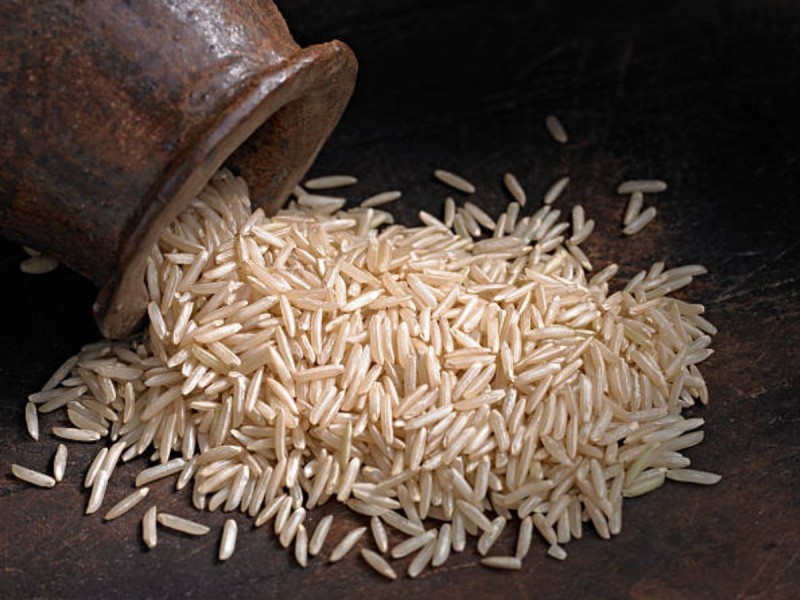
India surprised buyers by imposing a ban on exports of widely consumed non-basmati white rice in July, following a ban on exports of broken rice last year. India accounts for more than 40% of world rice exports and any export cuts could increase food prices due to low inventories in other exporting countries.
Despite export restrictions, rice prices on the domestic market are still nearly 13% higher than a year ago, according to government data. The Rice Exporters Association (REA) said foreign buyers have not made purchases in recent days in anticipation that the government will allow duty-free exports again after October 15. Once the government gives announces the extension of export tax, they will start buying goods. Even after paying a 20% tax, Indian parboiled rice is still cheaper than supplies from Thailand. India exports 7.4 million tons of parboiled rice in 2022
India, the world’s top rice exporter, may extend export duties on parboiled rice to control domestic prices ahead of key polls, keeping markets tight and raising the risk of wage inflation higher global real estate. The Indian government currently has no plans to increase taxes to 40% as some market participants speculate.
India stepped up rice export restrictions at the end of July, seeking to rein in domestic prices ahead of several state polls next month and a national election in early 2024. has sent the Asian benchmark index rising to its highest level in nearly 15 years, although prices have cooled recently.
Indian Prime Minister Narendra Modi is aiming for a third term at next year’s election and his government has also restricted sugar and wheat exports and sold grain from state reserves. According to data compiled by the Food Ministry, retail prices of rice in Delhi rose 22% from a year earlier, while wheat was about 12% more expensive.
There are concerns that yields of some crops, including sugarcane, could decline due to scattered rains in key growing areas during the year. Cumulative rainfall during the June to September monsoon season was the weakest in five years. While rice prices in Asia have recently eased, there are still lingering concerns about the potential impact of El Niño on production across the region. Any shortage could spur a renewed recovery in fuel prices and inflation.
Rising rice prices could hurt billions of people globally because the grain accounts for up to 60% of total calorie consumption in Southeast Asia and Africa. Many countries are still struggling to recover from the economic recession caused by the pandemic. India grows many types of rice, including parboiled rice, which accounts for about 30% of total exports. The South Asian country accounts for about 40% of global trade in 2022-2023.